

 |
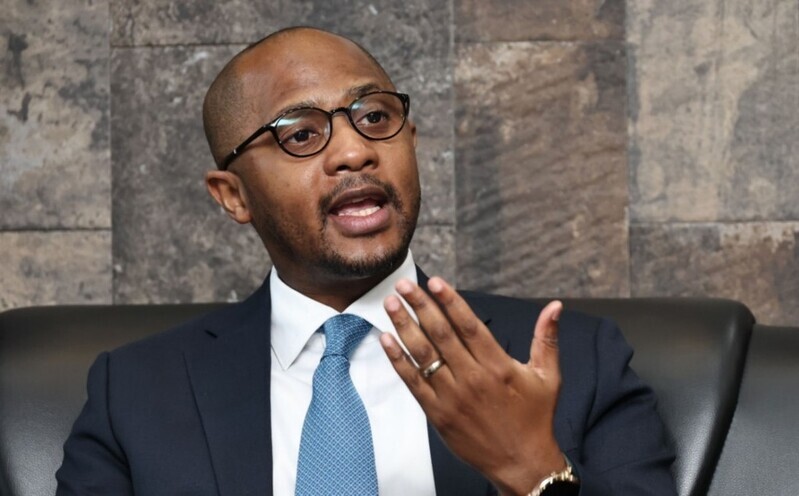
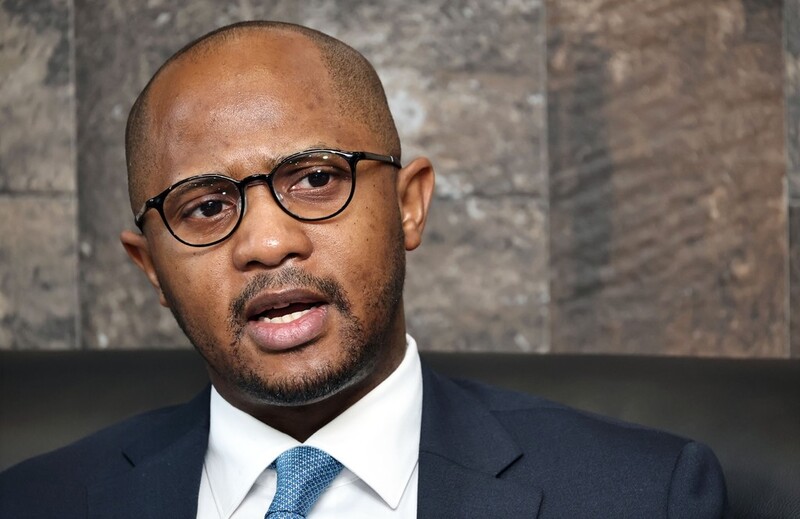
| ▲ Tanzanian Ambassador to South Korea Togolani Mavura speaks during an interview with Yonhap News Agency at the Tanzanian Embassy in Seoul on Jan. 8, 2026. (Yonhap) |
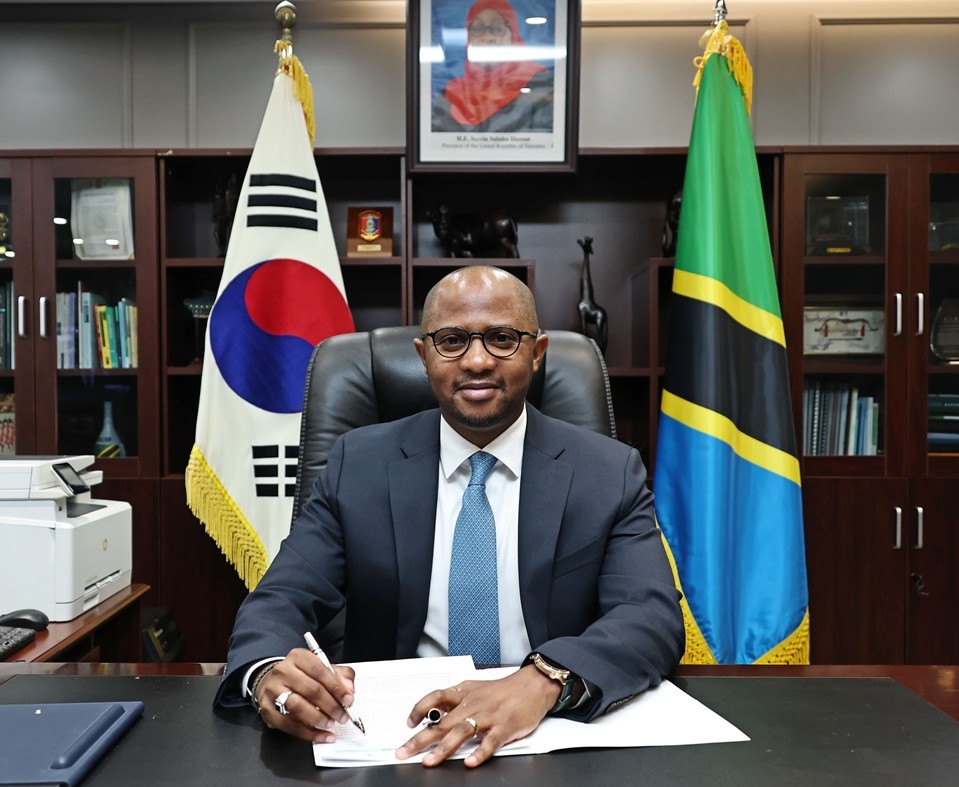 |
| ▲ Tanzanian Ambassador to South Korea Togolani Mavura poses at his desk during an interview with Yonhap News Agency at the Tanzanian Embassy in Seoul on Jan. 8, 2026. (Yonhap) |
(Yonhap Interview) Tanzania ambassador
(Yonhap Interview) Tanzania eyes becoming alternative hub for S. Korea's critical minerals supply chain: top envoy
By Kim Seung-yeon
SEOUL, Jan. 11 (Yonhap) -- Tanzania is emerging as an alternative supply chain hub for South Korea, with abundant critical mineral resources that offer scope for deeper and mutually complementary bilateral cooperation, its top envoy to Seoul has said.
Tanzanian Ambassador to South Korea Togolani Mavura made the remarks in an interview with Yonhap News Agency on Thursday, noting that South Korea is the first and only country with which Tanzania has so far signed a bilateral framework for cooperation on critical minerals.
"Tanzania and Korea are destined to cooperate on critical mineral development," Mavura said. "While Korea has vulnerabilities associated with supply chain constraints, we have vulnerabilities in terms of financing and technology to develop the sector."
Tanzania, an East African country bordering the Indian Ocean, is known for its rich deposits of critical minerals and rare earths, including graphite and nickel, as well as the potential for cobalt, lithium and other minerals.
Its strength as an emerging key supplier of critical minerals has spurred various cooperative partnerships with South Korean companies, including POSCO's investment in Tanzania's Mahenge mine to secure 750,000 tons of natural graphite over 25 years. Graphite is a primary material for anodes used in electric vehicle batteries.
"Only 16 percent of the potential mineral deposit area has been extensively surveyed, which means there is more than we can imagine now," Mavura said.
"Tanzania is poised to become Korea's alternative supply chain and a new avenue for Korean companies' expansion into Africa," he said.
Relations between South Korea and Tanzania date back to 1992, when the two countries established diplomatic ties. The two countries have since developed their relationship largely through South Korea's official development assistance (ODA) and related projects.
Since 2010, Tanzania has been one of South Korea's priority partner countries for ODA, a policy extended for the 2025-30 period. It is the largest recipient in Africa of South Korea's concessional loan program for development cooperation projects, having signed a framework agreement worth US$2.5 billion for 2024-28.
The two countries are also currently negotiating an economic partnership agreement, a broad trade and economic cooperation pact similar to a free trade agreement but with a development cooperation component attached.
"These pointers are telling of the depth and breadth of our relations with Korea," Mavura said.
When it comes to South Korea's trade with Africa, accounting for less than 2 percent of its global trade, the ambassador voiced disappointment that South Korea's private sector often shies away from venturing beyond its "comfort zones," leading to their limited value chains.
"In my many engagements, I have noticed conflicting interests between chairmen of Korean companies and senior management. Chairmen show audacity, courage and interest toward Africa, but senior management is skeptical and comfortable within its comfort zone. I find them risk-averse," he said.
"This can improve. It is not a permanent state nor destiny. If trade can be diverted, then trade can also be created," Mavura said.
The ambassador said South Korea's hosting of its first-ever summit with African nations in June 2024 demonstrated its commitment to promoting the continent as a new frontier for Korea, with the announcement of a $14 billion financing package to support Korean private sector investment in Africa.
"This catalytic fund can help incentivize and de-risk Korean companies that want to invest in Africa," he said.
South Korea and African countries plan to hold a foreign ministers' meeting in June to discuss the progress made since the first summit, the ambassador added.
Looking ahead, Mavura expressed hope that bilateral cooperation between South Korea and Tanzania would expand across sectors, from critical minerals and the green transition to agriculture and fisheries, as well as cultural exchanges.
"I wish to see Tanzania become Korea's hub for investment and trade in Africa, an alternative and stable supplier of critical minerals to Korea, and a formidable partner in green transition ... a stable part of Korea's food supply chain," he said.
"I believe my wishes and aspirations are possible, doable and valid."
(END)
(C) Yonhap News Agency. All Rights Reserved