US-foreign policy
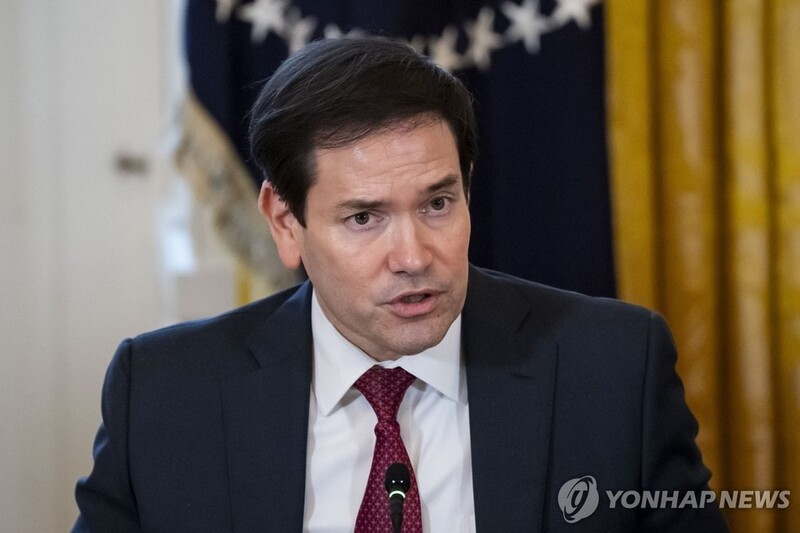 |
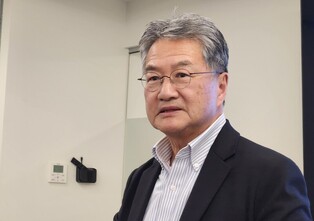
| ▲ This photo, released by EPA, shows U.S. Secretary of State Marco Rubio speaking during a meeting with oil and gas executives in the East Room of the White House in Washington on Jan. 9, 2026. (Pool photo) (Yonhap) |
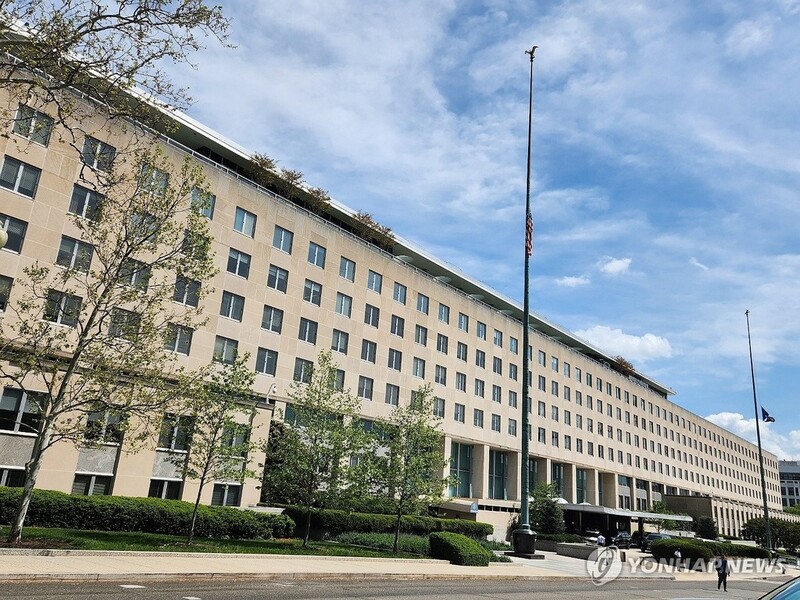 |
| ▲ The State Department in Washington. (Yonhap) |
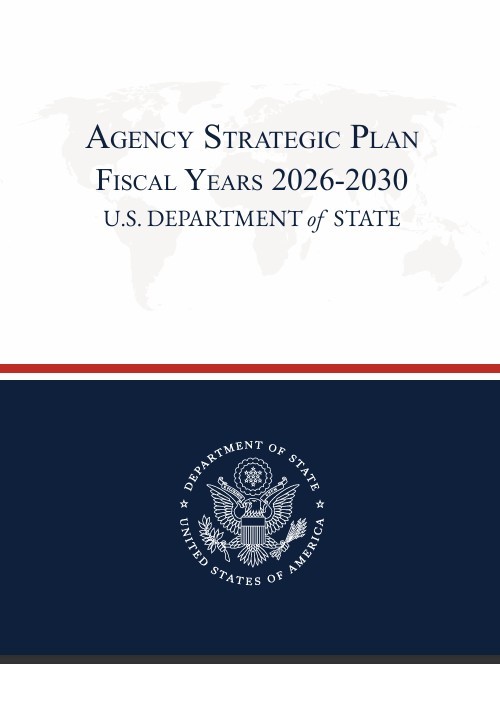 |
| ▲ This photo, captured from the State Department's website, shows the front cover of "Agency Strategic Plan Fiscal Years 2026-2030." (PHOTO NOT FOR SALE) (Yonhap) |
US-foreign policy
U.S. to urge allies to boost defense spending, allow greater access to its defense industry: State Dept.
By Song Sang-ho
WASHINGTON, Jan. 16 (Yonhap) -- The State Department will work to encourage allies to bolster defense spending and invest in deterrence capabilities and allow the U.S. military greater access to their critical resources, while the U.S. will, in turn, offer increased access to its defense industrial base, its diplomatic plan showed Friday.
On Thursday, the department released the "Agency Strategic Plan Fiscal Years 2026-2030" to outline its policy strategy for the five-year period, stressing that it seeks closer economic and military ties with Indo-Pacific allies and partners that "benefit U.S. strength," not those that come at America's expense.
The plan also pointed out the department's push to create a "strong economic bloc of pro-American countries" as it seeks to mobilize U.S. businesses as the "preferred choice" for allies and partners by pursuing commercial deals in "all" bilateral relationships.
"The Department will work to deepen relationships with allies and encourage them to increase their own spending, to invest in deterrence measures, and to allow the U.S. military greater access to critical infrastructure and resources," it said.
"In turn, we will provide allies increased access to our revitalized Defense Industrial Base," it added.
The document represented a renewed call for an increase in allies' defense spending, which could lead them to purchase more U.S.-made weapons and technologies, and reduce America's security burden at a time when the U.S. wants to focus on deterring its chief geopolitical rival, China.
"We will champion reliable U.S. defense companies and support defense industry interoperability and collaboration between not just the United States and Indo-Pacific allies, but also with reliable European partners," it said.
"An integrated Defense Industrial Base will provide the United States and our allies with strategic productive depth in the event of conflict."
The U.S. has been seeking an integrated defense industrial base as cooperation with allies and partners is crucial to ensuring defense supply chain stability and maintaining America's military readiness for potential contingencies in regions far away from the U.S. mainland.
On China, the department said that it will consistently seek open lines of communication with the Asian superpower and ways to reduce misunderstandings and risks.
"We will promulgate with allies, partners, and adversaries alike that the United States maintains a strong interest
in a peaceful and prosperous Indo-Pacific and desires neither war nor regime change," its said.
The plan reiterated the department's "reinvigorated" focus on commercial diplomacy, vowing not to relinquish America's global market dominance to "foreign powers" and stressing that commerce will play a "critical" role in forging alliances and partnerships.
"The Department will mobilize U.S. businesses and solutions as the preferred choice for allies and partners by pursuing commercial deals in all bilateral relationships and negotiations, thereby creating a strong economic bloc of pro-American countries that leverage American businesses and exports," it said.
"We will enshrine a new economic security consensus across this bloc of partners and will unlock new commercial industries and opportunities through flagship infrastructure projects."
It went on to say that the pro-American bloc will finance U.S. reindustrialization and "ensure American economic and technological leadership continues throughout the 21st century."
The U.S. has already kicked off an effort to build such a bloc as seen in the recent launch of the "Pax Silica" coalition, a U.S.-led initiative for supply chain cooperation on artificial intelligence, critical minerals and other areas.
The nascent yet growing coalition, which includes South Korea, Japan and other U.S. allies, came as Washington seeks to counter China's growing heft in vital resources and technologies.
(END)
(C) Yonhap News Agency. All Rights Reserved